Creating a future where wildlife and people thrive in healthy ecosystems.
By 2030, ECoDAs is a leading and impactful community-based organization working for the inclusive conservation of endangered species and habitats, tailored to the needs of the community and serving with transparency and trusted values.
ECoDAs seeks to advance community-based solutions that conserve biodiversity and improve the livelihoods of communities living adjacent to protected areas through research, habitat restoration, sustainable practices, and income-generating activities.
Be a frontline organization promoting conservation.
We stand firmly at the forefront of the fight to protect our natural heritage. Leadership means having the courage to champion conservation issues even when they are difficult or overlooked. We serve as the primary line of defence for our ecosystem, guiding our partners and beneficiaries with clarity, integrity, and proactive stewardship.
Flexible in adopting new and emerging technologies and methods when implementing biodiversity conservation. We foster a culture of continuous improvement and curiosity. We are not afraid to test new methodologies or embrace emerging technologies if they serve our mission. By staying flexible and open-minded, we ensure that our conservation strategies evolve alongside scientific advancements, keeping us relevant and effective in a rapidly changing world.
Ensure accountability to community members, donors, partners, and other stakeholders. Accountability is the foundation of our relationships. We commit to being transparent and answerable to everyone we work with—from the local communities who entrust us with their resources to the donors who fund our mission. We don't just report on successes; we are honest about our challenges, ensuring that our actions always align with our promises and professional standards.
Ensure transparency in managing project funds and delivering conservation projects. We uphold the highest standards of disclosure in our conservation efforts. To us, transparency means proactively sharing information about how we manage project funds and make strategic decisions. We hold ourselves to a standard of radical honesty, ensuring that our stakeholders are never left in the dark about how we are utilizing resources to achieve our environmental mission.
We implement projects with traceable and sustainable impacts on communities and wildlife. We are committed to work that lasts. We don't just deliver projects; we ensure that every intervention creates a measurable, positive ripple effect for both wildlife and people. By optimizing our resources and focusing on long-term outcomes rather than short-term outputs, we ensure that our impact remains visible and vibrant long after a project cycle ends.
The Bakossi-Banyang-Mbo forest is more than just trees and animals; it’s the beating heart of Cameroon’s natural heritage. But this heart is under severe stress as a dangerous cycle is at play: as the climate changes and biodiversity disappears, the land becomes less able to support the people who depend on it. In their struggle to survive, communities are pushed to use the forest in ways that cause further damage, deepening the crisis for everyone.
Why is This Happening
At the core of this problem is poverty. When putting food on the table today is the only concern, it’s incredibly difficult to think about protecting the forest for tomorrow. Communities want to be good stewards, but they often lack the knowledge and resources to do so. Compounding this, rising poaching and conflicts with wildlife have broken down the age-old bond between people and the land. Many feel they have no choice but to take from the forest, even as they watch it disappear.
The Signs are All Around Us
The consequences are clear and heartbreaking:
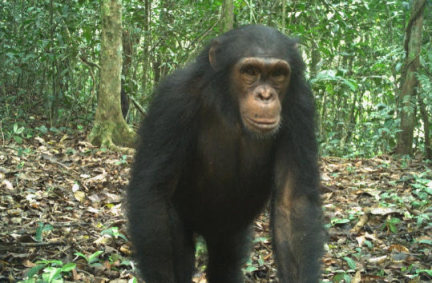
– For Nature: We see forests shrinking and critical habitats crumbling. Iconic species are vanishing, and the entire ecosystem—which provides clean air, water, and stability—is being undermined.
– For People: As the forest suffers, so do the communities that call it home. Their livelihoods dwindle, creating a cruel trap: the poorer they become, the more they must rely on the very resources that are disappearing. It’s a cycle that locks both people and nature into a downward spiral.
If we continue on this path, we risk losing this irreplaceable landscape forever. But there is hope, the cycle can be broken. By tackling the root causes of poverty and the lack of sustainable options, we can chart a new course. ECoDAs is ready to help forge this path. Our goal is to partner with these communities to build a future where the forest is not just taken from but nurtured; a future where protecting the environment goes hand-in-hand with creating prosperity and resilience for the people who live there.
Our areas of intervention
We promote efforts to save threatened species from extinction
We protect and restore ecosystems like forests and mangroves, which are vulnerable to destruction
We drive nature-based solutions to mitigate and adapt to climate change
We engage communities and indigenous people in conservation efforts.
Our projects are in line with these topics
Contribute to the conservation of wildlife species and threatened habitats around the Bakossi-Banyang-Mbo landscape.
Promote and facilitate livelihood, increase local ownership, and encourage duplication to improve the living conditions of local communities and take pressure off natural resources.
Raise environmental awareness and mainstream natural resource conservation amongst stakeholders.
Contribute to improving the knowledge on biodiversity conservation and socio-cultural relationships with biodiversity.
ECoDAs-Cameroon would like to acknowledge and thank you all who have been supporting us. For People and for Nature.




ECoDAs focus on environmental education, restoration of fragile ecosystems, conservation of at-risk flora and fauna species, and strengthening communities’ livelihoods through income and economic development opportunities.
Sign up now to get latest updates & news about our work.
COPYRIGHT © 2024 ECoDAs-Cameroon. Delivered by Brene Webs